

Our Latest News & Updates
Air Conditioning for Schools: What to Plan For
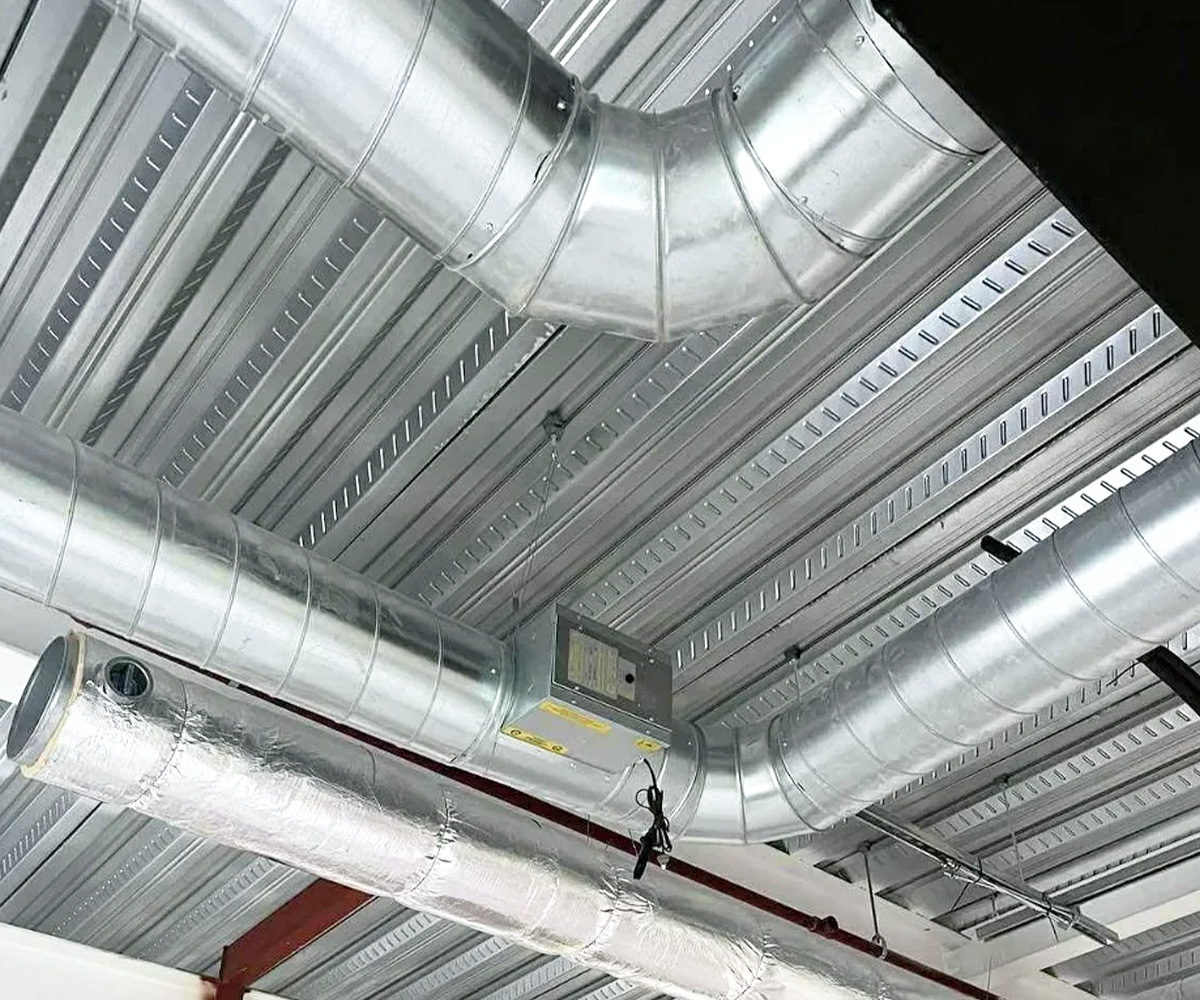
More schools are asking us about air conditioning. South-facing classrooms, IT suites, staff rooms and exam halls can become uncomfortably hot in the summer term, and that affects teaching and learning. If you are thinking about cooling, here is what to plan for before you ask for prices.
Start with ventilation, not cooling
The Department for Education’s Building Bulletin 101 sets the design standards for ventilation, thermal comfort and indoor air quality in school buildings. A room that overheats is often a room that is poorly ventilated, poorly shaded, or both. Better ventilation, solar shading or blinds can fix some rooms without cooling at all, and they are worth looking at first.
Where cooling is needed, it is usually needed in particular rooms rather than across the whole school: server and IT rooms, south-facing classrooms, rooms with high occupancy and spaces used for exams.
Choosing a system
Split systems for individual rooms
A single indoor unit connected to an outdoor unit. Straightforward to install, and well suited to a server room, an office or a single classroom.
VRF systems for several rooms
Variable refrigerant flow (VRF) systems serve many indoor units from shared outdoor plant, with each room controlled separately. They suit a block of classrooms or a new extension, and many VRF systems can provide heating as well as cooling. At a recent high school extension we installed VRF air conditioning alongside heat recovery ventilation, which you can read about in our school extension case study.
Things that catch schools out
- Noise. Outdoor units need to sit away from classroom windows and neighbouring properties.
- Electrical capacity. Cooling adds electrical load, so the school’s supply needs checking before anything is specified.
- Controls. Air conditioning left running in empty rooms wastes energy. Sensible controls, with set limits and timeclocks, prevent that.
- Heating and cooling together. The two systems should never fight each other in the same room. That is a design and controls question, best settled at the start.
F-gas rules and maintenance
Air conditioning uses fluorinated refrigerant gases, and the law requires the companies and engineers who install and service these systems to be F-gas certified. Larger systems also need regular leak checks by law, and every system works better and lasts longer with annual servicing: cleaning filters and checking refrigerant, drainage and controls.
Timing the work
Most installation work in schools is best done during the holidays, with surveys and design done during term. If you want cooling in place for the summer term, planning should start in the autumn or early in the new year. Our guide to planning summer school heating works follows the same timeline.
Talk to us
We design and install heating, ventilation and air conditioning for schools, academies and colleges. See our heating systems for schools page, or get in touch to arrange a survey. Call 01782 274537.
