

Our Latest News & Updates
Getting Your Church Heating Ready for Winter
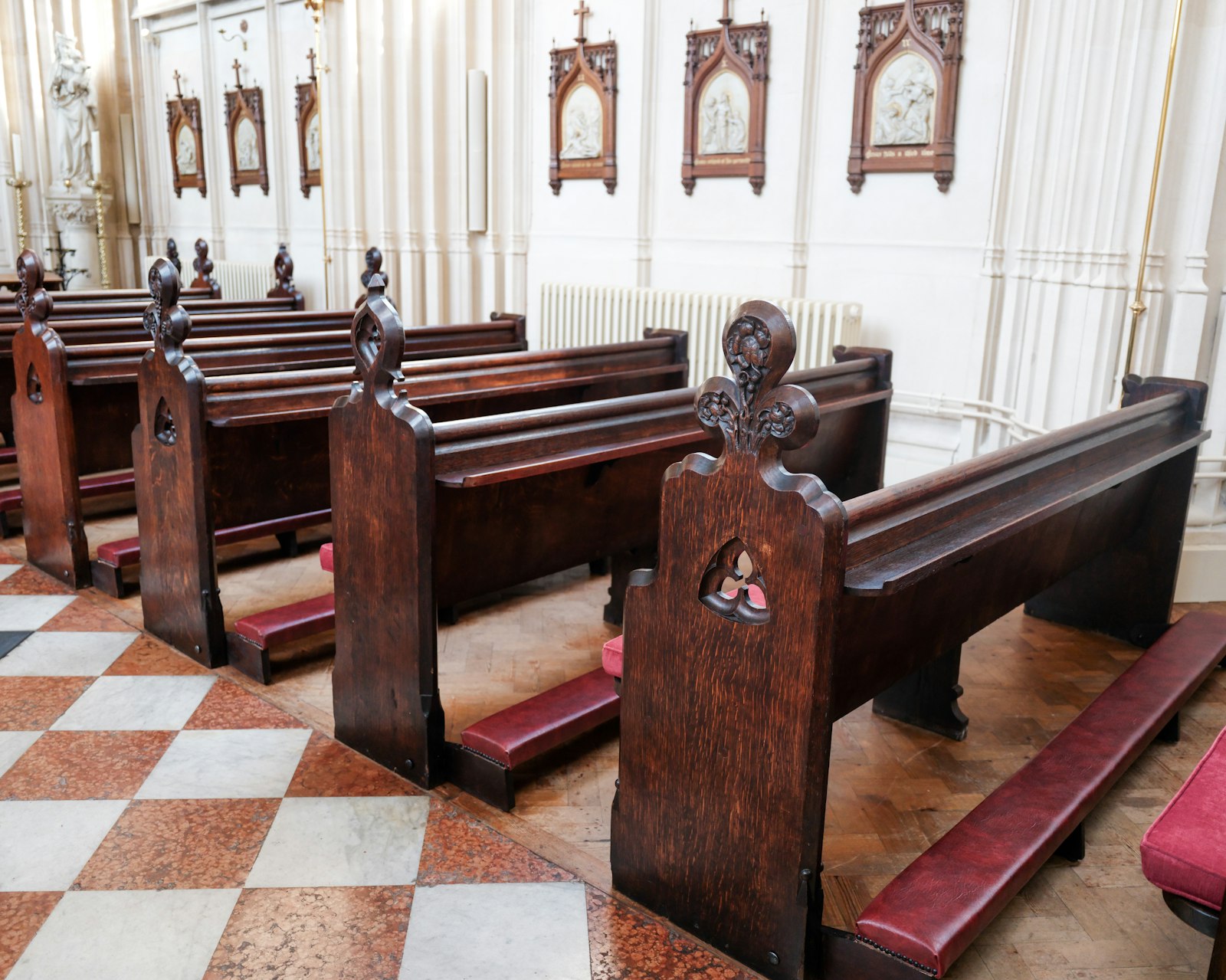
Advent and Christmas bring the busiest weeks of the year for most churches. Carol services, nativity plays and Midnight Mass all fall in the coldest part of the year. They also fall in the part of the year when a tired boiler is most likely to give up.
We’ve been heating churches since 1970, from Grade I listed buildings to modern chapels. Here’s what we’d suggest doing now, while there’s still time to sort anything out.
Get the boiler serviced before the first cold snap
A church boiler often sits idle all summer and then has to work hard from October. Faults found in an autumn service are usually quick fixes. Found on Christmas Eve, the same fault can mean a cold building, or a cancelled service.
A service should check combustion, safety devices, pumps, valves and flue. It’s also the moment to ask whether the boiler has many winters left in it.
Run a full test before the big services
Don’t wait for the first big service to find out something’s wrong. Run the system at full output for a few hours on an ordinary weekday. Then walk round the building and check:
- every radiator or heater warms up fully
- no cold spots at the top of radiators (they may need bleeding)
- no damp patches or drips along pipe runs, especially under floors and behind panelling
- the building gets up to temperature in the time you expect
Heat the building for when it’s used, not all week
Churches are usually busy for a few hours a week and empty the rest of the time. Heating a large, high-ceilinged space continuously is expensive. Most of that heat ends up in the roof.
Good controls make a big difference. At Heacham Parish Church we fitted internet time controls that can be set from a phone. That means the heating can be brought up for a service or a weekday event without anyone visiting the building first.
It’s still worth keeping a low background temperature through the winter. This protects pipework from frost and stops the building getting cold and damp between services.
Warm it up gradually
Heavy stone walls take a long time to warm up, and they don’t like sudden changes. A building heated hard and fast can feel stuffy at head height while the pews stay cold. Rapid swings in temperature and humidity can also affect timber, plaster and the organ.
Starting the heating earlier at a gentler rate is usually kinder to the building, and more comfortable for the congregation.
Think about zones
The vestry, church hall and kitchen are often used far more than the main body of the church. If they’re all on one circuit, you’re heating the nave every time the toddler group meets. Splitting the system into zones means you only heat what’s being used.
Is it time to replace the boiler?
Older church boilers are often oversized, inefficient and hard to get parts for. Modern condensing boilers use much less fuel for the same heat. At St Michael & All Angels in Macclesfield, new high-efficiency boilers brought better comfort and lower running costs.
If you’re facing a big repair bill this winter, it may be worth comparing it with the cost of a replacement before deciding.
If the boiler fails at the worst moment
It happens. If your heating fails before an important service, a temporary boiler can keep the building warm while the permanent repair or replacement is planned properly.
Talk to us
We specialise in church heating for historic buildings across England and Wales. That includes servicing, controls, full boiler replacements and emergency repairs. If you’d like a winter check or advice on your system, get in touch.
Planning bigger changes? See our guides to heating historic and listed churches and low carbon church heating.
