


Lower carbon, lower bills
Start with how your church is used
The cheapest energy is the energy you do not use. For most churches the biggest savings come from heating less of the building, for less time, before any new plant is fitted.
The approach most widely recommended for churches is to heat the people rather than the building: warmth where people sit, for the hours they are there, with a low background temperature to protect the fabric.
The Church of England's General Synod has set a target of net zero carbon by 2030, and faculty applications for heating work now have to show how the Church's net zero guidance has been considered. Whatever your denomination, the same steps apply.
Where to start
Steps to lower carbon heating, cheapest first
Controls and scheduling
Remote time controls, like those at Heacham Parish Church, let you heat for services and events only and adjust from your phone. Optimum start brings the building up to temperature just in time, not hours early.
Stop the heat escaping
Draught-proofing doors and windows, door curtains and porch lobbies. In the Church of England, draught-proofing is on List A, so it usually needs no permission.
Heat close to people
Pew heaters and radiant panels warm people directly, so smaller services do not need the whole building heating.
Use the smaller spaces
For midweek groups, heating a hall, side chapel or vestry instead of the nave can cut energy use sharply.
Then look at the plant
When the boiler is due for replacement, consider a heat pump or a hybrid system. Plan it ahead rather than replacing in a breakdown, when there is no time to do it properly.
Heat pumps
Are heat pumps right for your church?
Heat pumps can work very well in churches, but not in every church, and not as a straight swap for a boiler.
Usually a good fit
- Buildings used several days a week
- Heating that can run longer at a lower temperature
- Underfloor heating or large radiators
- Room outside for the unit, out of sight
- An electrical supply with spare capacity
Harder to make work
- A church used once a week and expected to warm quickly from cold
- Small radiators sized for a hot boiler
- No suitable place for the outdoor unit
- A limited electrical supply
A hybrid system, with a heat pump doing most of the work and a boiler for the coldest days, is often a sensible middle ground. Church halls used every day are often the best place to start. At Newquay Christian Centre we combined warm air and air source systems. For the practical checks, see is your building ready for a heat pump?
Further reading
Related guides and projects
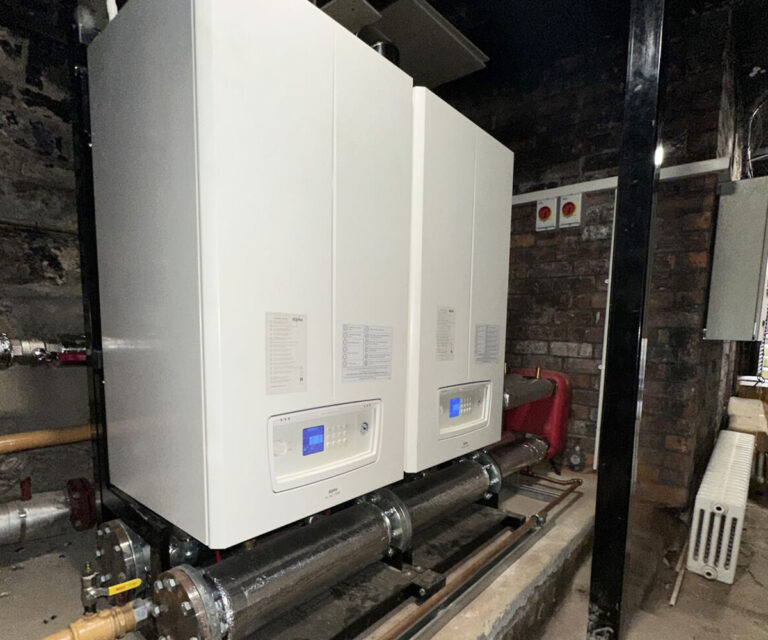
Heating historic and listed churches
Choosing a system for an old church, and the permissions you need.
Read more →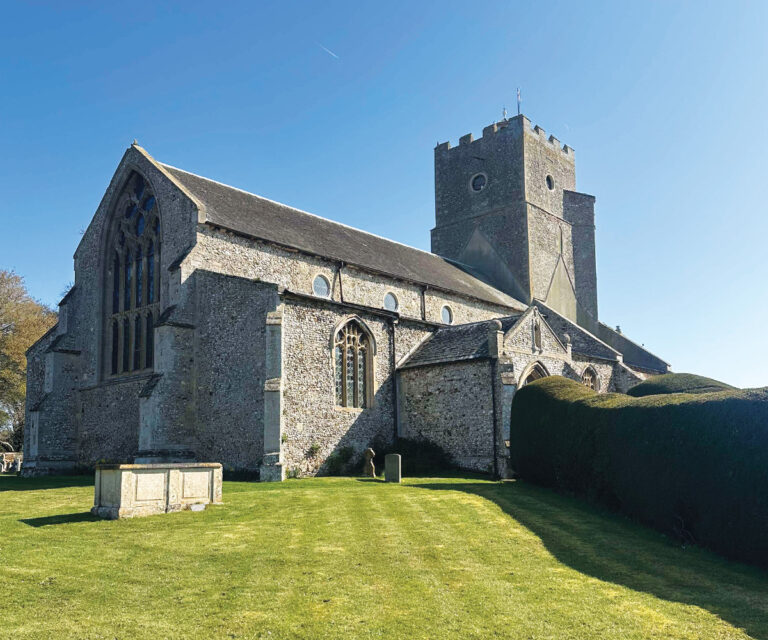
Heacham Parish Church, Norfolk
New condensing boilers with heating controlled from a phone.
Read more →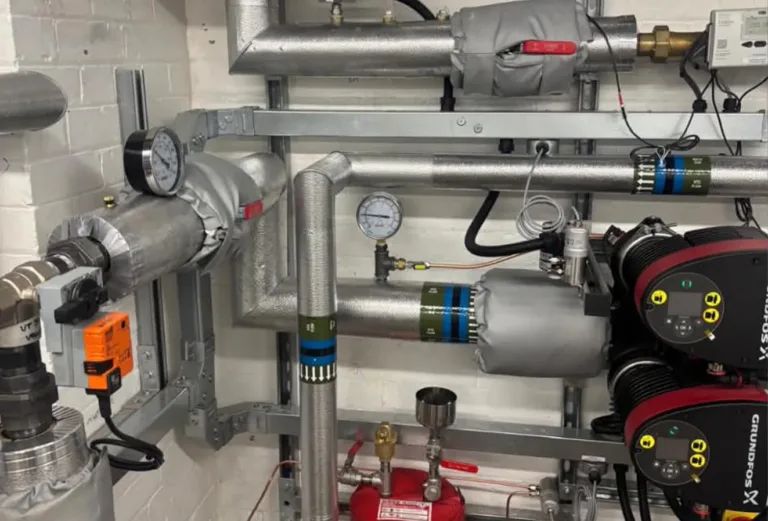
Is your building ready for a heat pump?
The checks to make before switching from a boiler.
Read more →FAQs
Questions about low carbon church heating
Can a heat pump heat a church?
Yes, in the right building. Heat pumps work best where heating runs for longer at a lower temperature, with underfloor heating or large radiators. A church used once a week and expected to warm quickly from cold is harder, and may suit a hybrid system or heating close to people instead.
Is electric heating low carbon?
Electric heating produces no emissions on site, and the electricity grid is getting cleaner. Direct electric heaters can be expensive to run for a whole building, but they suit heating people directly for short periods, which is why pew heaters are popular.
Should we replace a working gas boiler now?
Usually not straight away. Improve controls and draught-proofing first, then plan the change for when the boiler is nearing the end of its life. In the Church of England, replacing a gas or oil boiler like for like now needs a faculty, so allow time for that.
Is there funding for low carbon church heating?
Funding schemes change often. Your diocese’s environment or net zero officer, or your denomination’s property team, will know what is currently available.
Can you assess our church?
Yes. We survey the building, look at how and when it is used, and recommend options, including what existing equipment can stay.
