


Heating old churches
Why historic churches are hard to heat
Thick solid walls, high roofs, single glazing and a building that sits empty most of the week. Heating an old church well is less about raw output and more about putting warmth where people sit, without harming the building.
Warm air rises straight into the roof space, so a system that simply heats the air can run for hours before the congregation feels it. Historic fabric and contents, including organs, timber screens, wall paintings and monuments, are sensitive to quick swings in temperature and humidity. Short, aggressive bursts of heat in a cold building are the pattern that does most damage.
So the right system depends on how your church is used: how many days a week, for how long, and how many people. That is the first thing we ask on a survey.
Options
Choosing a system for a historic building
There is no single right answer. These are the options we most often consider for listed and historic churches.
Upgrading the existing system
Often the least intrusive route. New condensing boilers can run on existing pipework and radiators. At Heacham Parish Church, two Keston 55kW boilers with long twin flues avoided cutting new flue routes through the building.
Pew and local heating
Heating close to where people sit, rather than the whole volume of the church. Well suited to buildings used once or twice a week, and quick to warm up.
Underfloor heating
Gentle, even and invisible. Best considered when the floor is being lifted anyway, and suited to churches used several times a week.
Overhead radiant heating
Warms people and surfaces rather than the air, so it works quickly in tall spaces. Where and how the panels are mounted needs care in a listed interior.
Heat pumps
A low carbon option that works best with longer, gentler heating and large emitters. See our guide to low carbon church heating.
Controls
Remote and smart time controls let you heat for services and events only, and hold a low background temperature to protect the building. Often the quickest win of all.
Permissions
What you need before work starts
Most church heating work needs some form of approval, and getting it lined up early is what keeps a project on programme.
We provide the survey, specification and technical information your application needs, and work alongside your architect or inspecting architect where you have one.
The faculty system
Works are approved through your diocese, advised by the Diocesan Advisory Committee (DAC). Repairs to an existing heating system, including new controls, generally need no permission (List A). Replacing a boiler where you switch to a non-fossil fuel, and electric pew heaters on pews made after 1850, need the archdeacon's written permission (List B). Replacing a gas or oil boiler like for like needs a faculty, and you will be asked how you have considered the Church's net zero guidance.
Ecclesiastical exemption
In England, Methodist, Roman Catholic, Baptist Union and United Reformed churches have their own internal approval systems in place of listed building consent. Other listed places of worship need listed building consent from the local council.
Planning permission
External work such as a heat pump unit, a new flue or an oil tank may still need planning permission, particularly in a conservation area. Arrangements in Wales differ, so check with your denomination first.
Our work
Recent church projects
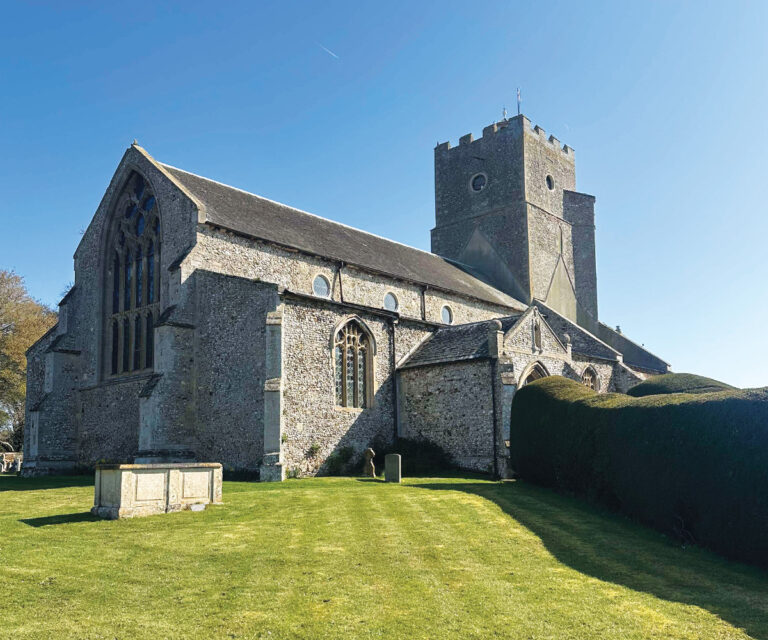
Heacham Parish Church, Norfolk
Two Keston 55kW condensing boilers on twin flues, with heating controlled from a phone.
Read more →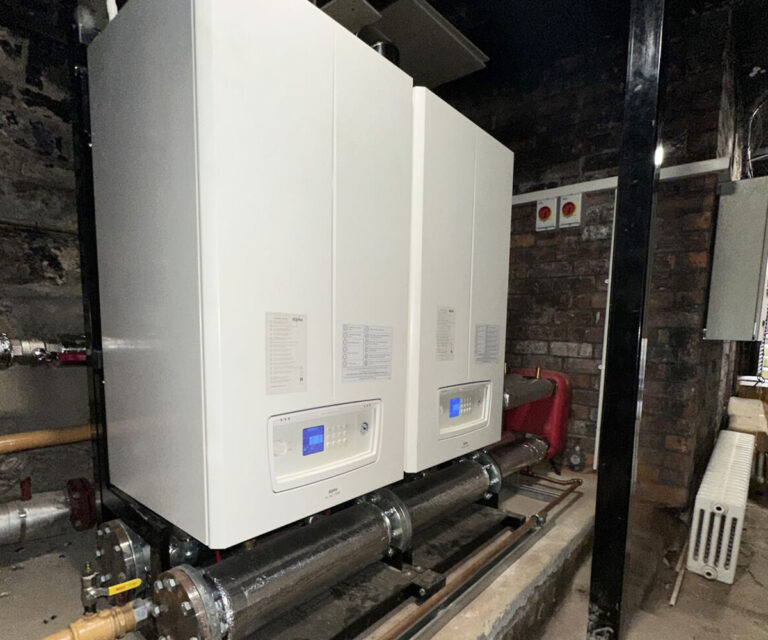
St Michael & All Angels, Macclesfield
A high-efficiency boiler upgrade for more reliable, more even heat.
Read more →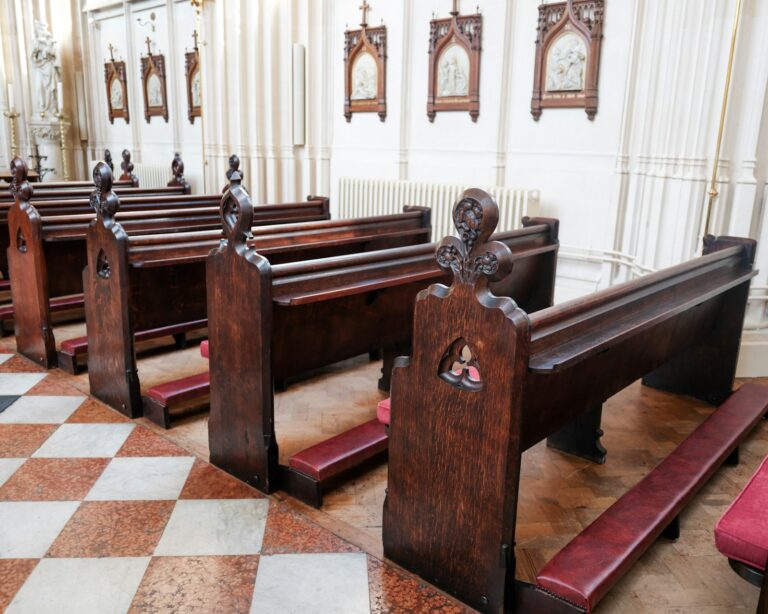
Getting your church ready for winter
Simple checks and smarter controls before Advent and Christmas.
Read more →FAQs
Questions churches ask us
Do we need a faculty to replace our church boiler?
In the Church of England, usually yes. Since July 2022, replacing a gas or oil boiler like for like needs a faculty. Replacing a boiler in the same place where it switches to, or already uses, a non-fossil fuel supply is treated more lightly, through List A or List B. Your DAC will confirm which route applies to your church.
Can underfloor heating go into a listed church?
Often, yes, and it is usually most practical when the floor is being lifted for other reasons. It needs permission, and the floor and anything beneath it have to be considered carefully. It also suits buildings used several times a week better than a church used for one service on a Sunday.
Will new heating harm our organ or fittings?
The biggest risk to organs, timber and decorated surfaces is large, rapid swings in temperature and humidity. Good controls, gentle warm-up times and avoiding blasting a cold building with heat all help. It is worth talking to your organ builder before the system is designed.
Can you work around services and events?
Yes. We plan installation around services, weddings, funerals and the busy weeks of Advent, Christmas and Easter, and agree the programme with you before work starts.
Do you work outside Staffordshire?
Yes. We are based in Stoke-on-Trent and work on churches across England and Wales, including recent projects in Norfolk and Cheshire.
